Most people, asked to name the commodities at risk from a Strait of Hormuz closure, would say oil. More informed observers would add LNG, then perhaps urea and ammonia. Fewer still would say sulphur.
They would be wrong to omit it.
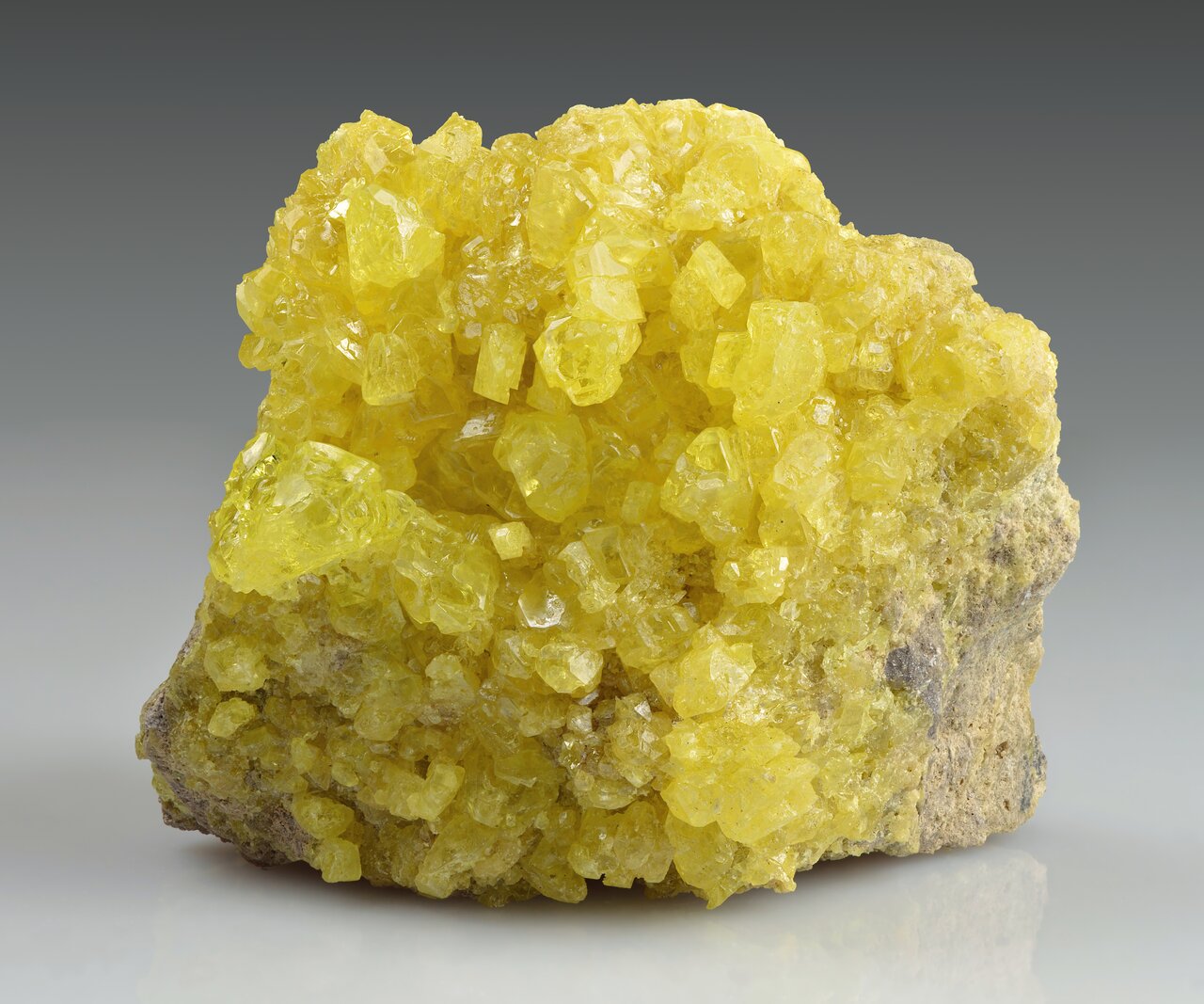
Sulphur is a byproduct of oil and gas processing — specifically of the desulphurisation that removes sulphur compounds from crude oil and natural gas to meet environmental standards. The Gulf states produce enormous quantities of it because they process enormous quantities of hydrocarbons. Saudi Arabia, the UAE, Kuwait, and Qatar collectively account for between 44 and 50 percent of all globally traded elemental sulphur. Since 1 March 2026, none of that has been shipping.
The consequences touch agriculture, semiconductors, rubber manufacturing, and the critical minerals supply chain that the world's governments have spent five years trying to secure. They are arriving slowly, which is why the damage is not yet visible. But it is coming.
The Fertiliser Compound Effect
The fertiliser crisis described elsewhere in this series — the nitrogen and urea shortage that threatens the 2026 planting season — has a sulphur dimension that makes it worse.
Sulphur is a critical input in the production of phosphate fertilisers. Phosphoric acid, which is the intermediate product in phosphate fertiliser manufacturing, is made by reacting phosphate rock with sulphuric acid — which is made from sulphur. The world's largest phosphate processing operations in Morocco and Jordan depend on a steady supply of Gulf sulphur to convert their mined rock into usable fertiliser.
The nitrogen crisis and the sulphur crisis are not parallel problems. They are the same problem, arriving through different pathways at the same field, in the same planting window.
With Gulf sulphur off the market, phosphate production is constrained at precisely the moment when farmers who cannot afford urea might otherwise have tried to substitute additional phosphate applications. The two fertiliser crises are not independent shocks. They are compounding. The farmer facing a nitrogen shortage is also facing a phosphate constraint, at the same time, in the same growing season.
Analysts at the International Fertilizer Association were warning before the crisis that sulphur markets were already structurally tight, with demand growth from both agriculture and industry running ahead of production growth. The Hormuz closure has moved a tight market into acute shortage.
Semiconductors and the Supply Chain Nobody Secured
Sulphuric acid is essential to semiconductor manufacturing. It is used in wafer cleaning, etching, and the chemical mechanical planarisation process that produces the flat, uniform surfaces on which circuit patterns are printed. A modern semiconductor fabrication plant uses millions of litres of sulphuric acid per year.
Semiconductor supply chain security has been a preoccupation of Western governments since the Taiwan Strait tensions of the early 2020s. Billions have been invested in new fabs in the United States, Germany, and Japan. The CHIPS Act, the European Chips Act, the Japanese semiconductor investment programme — all of these were premised on securing the chip supply chain against geopolitical disruption.
None of those investment programmes secured the sulphuric acid supply chain. High-purity sulphuric acid for semiconductor manufacturing is a niche product with a small number of qualified suppliers. Gulf sulphur disruption propagates into that supply within weeks to months.
The lead time between a sulphur supply disruption and a semiconductor manufacturing constraint is longer than it is for fertiliser — there are stockpiles, alternative sulphur sources, and the concentrated nature of the acid market means buyers have more flexibility than spot buyers of urea. But the pathway exists, and it runs through the Gulf.
Rubber and the Tyre You Will Not Notice Until You Do
Sulphur is the agent that vulcanises rubber — the process discovered by Charles Goodyear in 1839 that transforms soft, sticky natural rubber into the hard, durable material used in tyres, seals, gaskets, and industrial applications. Every tyre on every vehicle on every road in the world was made using sulphur.
The tyre supply chain does not move as fast as the oil market. Manufacturers carry stock. Production cycles are measured in weeks, not hours. But a prolonged Gulf sulphur shortage will work its way through the rubber processing industry and emerge as a cost and availability problem for tyre manufacturers, and ultimately for vehicle fleets, within two to three quarters of the closure.
Sulphur disrupts fertiliser, semiconductors, rubber, and critical minerals simultaneously. Four cascades from one element. None of them make the oil price ticker.
Critical Minerals Processing: The Lithium Connection
Sulphuric acid is also central to the processing of lithium, cobalt, nickel, and other critical minerals. Leaching — the process by which valuable metals are extracted from ore — typically uses large quantities of sulphuric acid. The critical minerals supply chains that governments have been scrambling to secure against Chinese dominance depend, further up the chain, on sulphur.
A lithium hydroxide plant in Chile, a cobalt refinery in Finland, a nickel processing facility in Indonesia — all of these consume sulphuric acid at scale. A prolonged Gulf sulphur disruption adds cost and constraint to the critical minerals supply chain at exactly the moment when EV battery manufacturers are scaling up demand and governments are claiming to have secured their materials supply.
The Slow Cascade
What makes the sulphur story unusual — and what explains why it has attracted so little attention in the first month of the crisis — is its pace. Oil prices move in real time. Jet fuel prices respond in days. Urea prices move in weeks. Sulphur's cascades move in months.
By the time a Gulf sulphur shortage works its way through phosphate processing into fertiliser prices, through sulphuric acid manufacturing into semiconductor cleaning contracts, through rubber vulcanisation into tyre production costs, six months may have passed. By then, the narrative will have moved on. The connection to Hormuz will require explanation.
That is how slow cascades work. They arrive after the crisis that caused them has been resolved, or at least repositioned in the news cycle. They affect industries and populations that have no obvious connection to a maritime chokepoint in the Persian Gulf. They look, by the time they arrive, like separate problems. They are not separate problems.
Source Notes
Gulf sulphur market share: International Fertilizer Association; Argus Media sulphur market reports
Phosphate processing dependency: IFA; Fertilizers Europe; Moroccan Office Cherifien des Phosphates (OCP) production data
Semiconductor sulphuric acid use: SEMI industry association; TSMC environmental reports
Rubber vulcanisation: IRSG (International Rubber Study Group)
Critical minerals processing: IEA Critical Minerals Market Review; USGS
Full source index: see References page