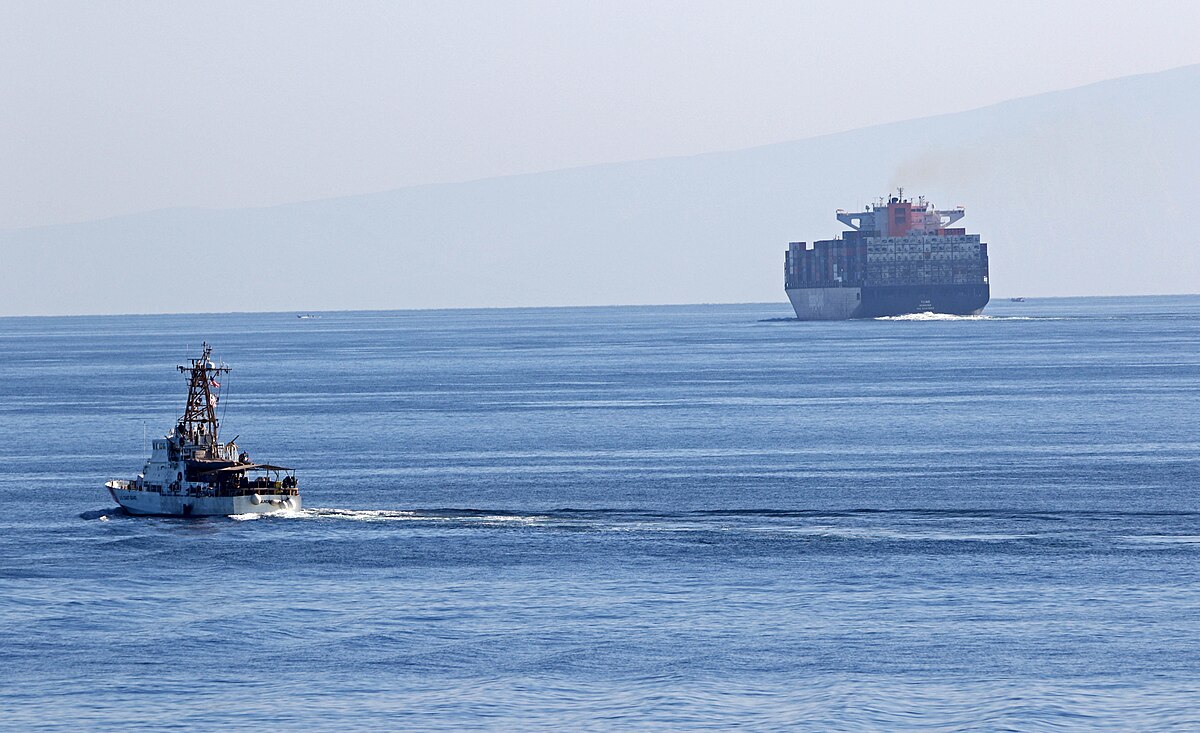
The New Geography of Trade: Iran's Toll Booth at the World's Most Important Waterway
Tehran is not simply closing the Strait of Hormuz. It is charging to open it — selectively, on its own terms, in yuan. What began as a wartime tactic is being written into Iranian law. The ceasefire, when it comes, will not undo it.
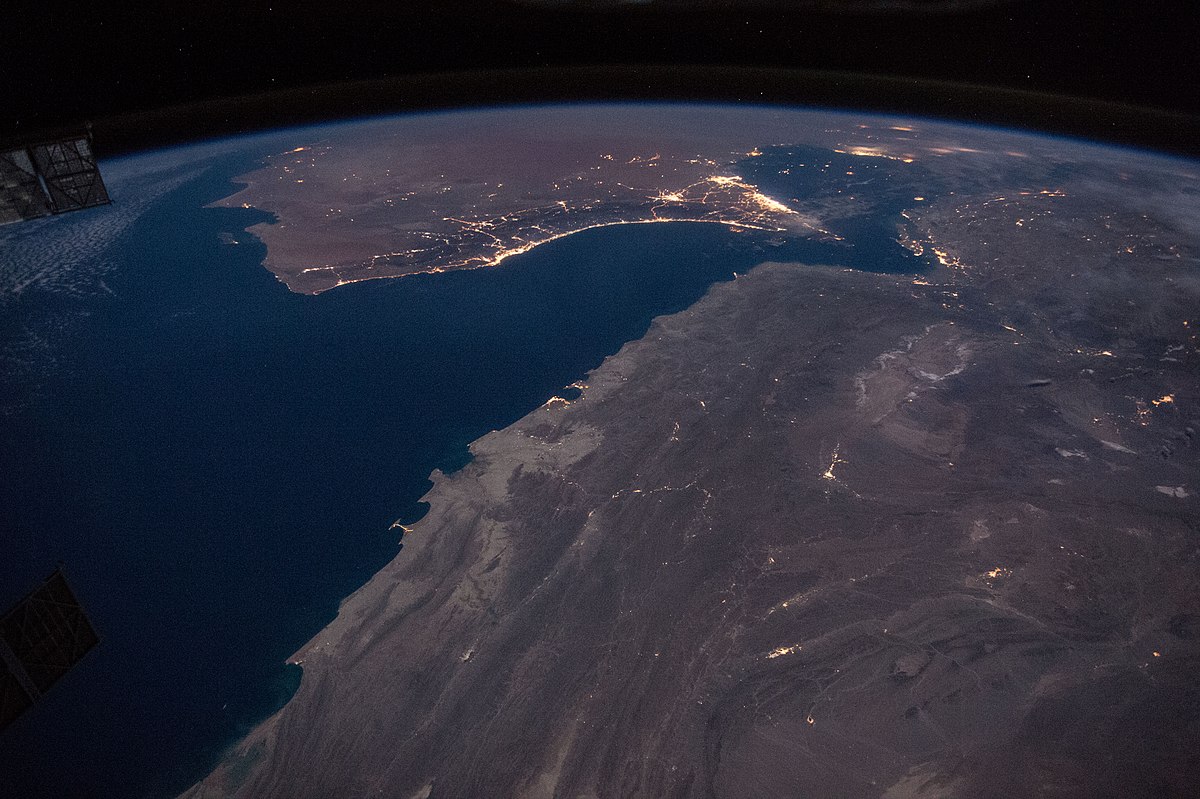
Gulf of Oman and Strait of Hormuz at night, photographed from the International Space Station. NASA / public domain.
In the narrow channel between Qeshm Island and Larak Island — an obscure passage through Iranian territorial waters that most maritime charts barely annotate — something significant is happening. Ships are moving.
Not many ships. Not freely. Not without cost. But moving. Iranian Revolutionary Guard personnel have established what shipping intelligence services are calling the Tehran Toll Booth. Vessels are directed to this Iranian-controlled route, where IRGC officers verify the vessel's national affiliation and collect a fee. The fee is up to $2 million per voyage. It is payable in yuan.
Twenty-six vessels have now used this route. The Iranian parliament is moving to write the arrangement into law. And Iran's five-point counter-proposal to the American peace plan includes, as one of its five non-negotiable conditions, international recognition of Iranian sovereignty over the Strait of Hormuz.